
The Experientially bookshelf
What to read before coming to Sri Lanka
Seven books that offer a way into the island through family, cricket, Colombo, the civil war and what came after. Start with one.
You do not need to do homework before visiting Sri Lanka. But one or two books can make the country feel like more than a sequence of beautiful stops.
This is not intended to be a definitive Sri Lankan reading list. It is simply a useful place to begin.
If you read only one
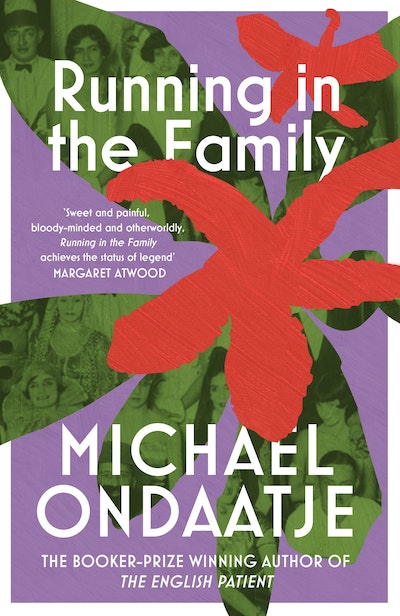
Running in the Family
Michael Ondaatje returns to Sri Lanka and tries to piece together the stories, scandals and half-truths surrounding his family.
It is a memoir mixed with family mythology, and it captures something recognisable about the way stories are told here: facts matter, but embellishment is often part of the pleasure. It is short, atmospheric and probably the easiest book on this list to pack for the flight.
View on Goodreads ↗
For cricket, humour and a country arguing with itself
Chinaman
A retired sportswriter becomes obsessed with finding a brilliant Sri Lankan bowler who appears to have disappeared from the record.
You don’t need to understand cricket to enjoy it, although it helps. Beneath the drinking, unreliable narration and sporting trivia is a funny and sharp portrait of Sri Lanka, including its politics, prejudices, friendships and ability to turn almost anything into an argument.
View on Goodreads ↗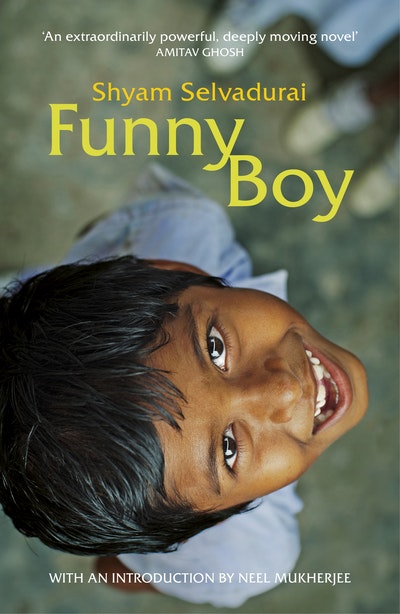
For growing up in Colombo
Funny Boy
Told through a series of linked stories, Funny Boy follows a Tamil boy growing up in an affluent Colombo family during the years leading up to the violence of 1983.
It is intimate rather than historical. Family expectations, sexuality, school, class and ethnicity are experienced through one child's changing understanding of the adult world.
View on Goodreads ↗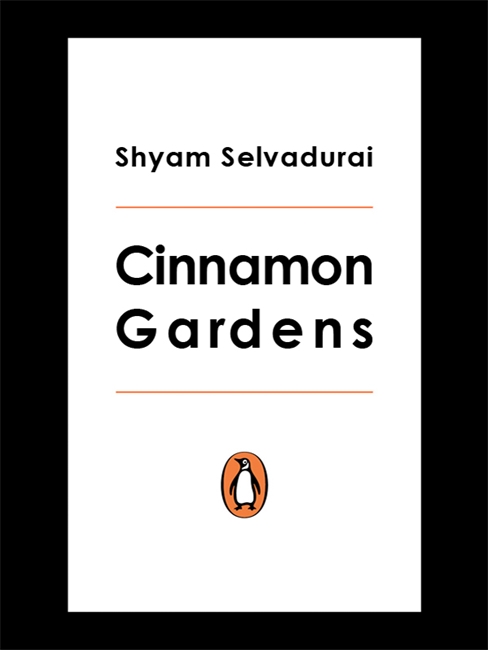
For an older Colombo
Cinnamon Gardens
Set in the prosperous Colombo neighbourhood of Cinnamon Gardens during the 1920s, this novel looks at family, desire, class and politics under British colonial rule.
Read it if you are interested in the society behind Colombo's old houses, clubs and institutions, and in the tensions that existed beneath their orderly surfaces.
View on Goodreads ↗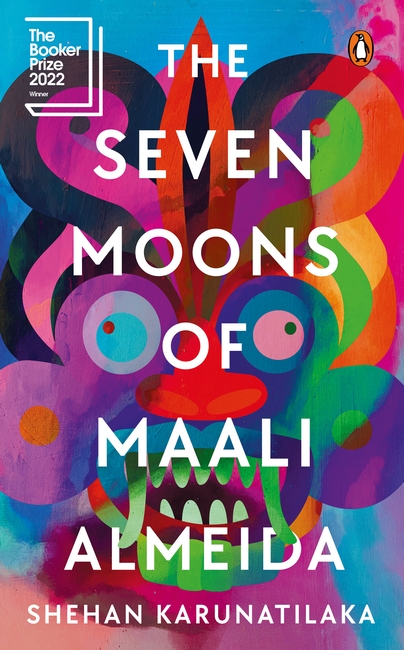
For a darker, wilder Colombo
The Seven Moons of Maali Almeida
A murdered photographer wakes in the afterlife and has seven moons to discover who killed him, and to lead the living to a collection of photographs that powerful people would prefer to keep hidden.
Set in Colombo in 1990, this Booker Prize winning novel is inventive, funny, macabre and deliberately chaotic. It is also a way into a difficult period of Sri Lankan history without reading a conventional historical account.
View on Goodreads ↗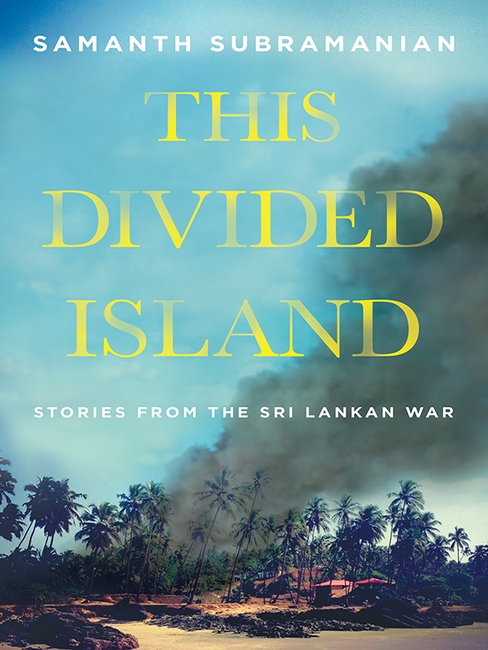
For non-fiction and recent history
This Divided Island
Journalist Samanth Subramanian travelled through Sri Lanka after the end of the civil war, speaking to people whose lives had been shaped by it.
The result is neither a simple history nor a conventional travel book. It is reported, personal and often uncomfortable. Choose this if you want to understand more of the history that still sits beneath conversations about the island today.
View on Goodreads ↗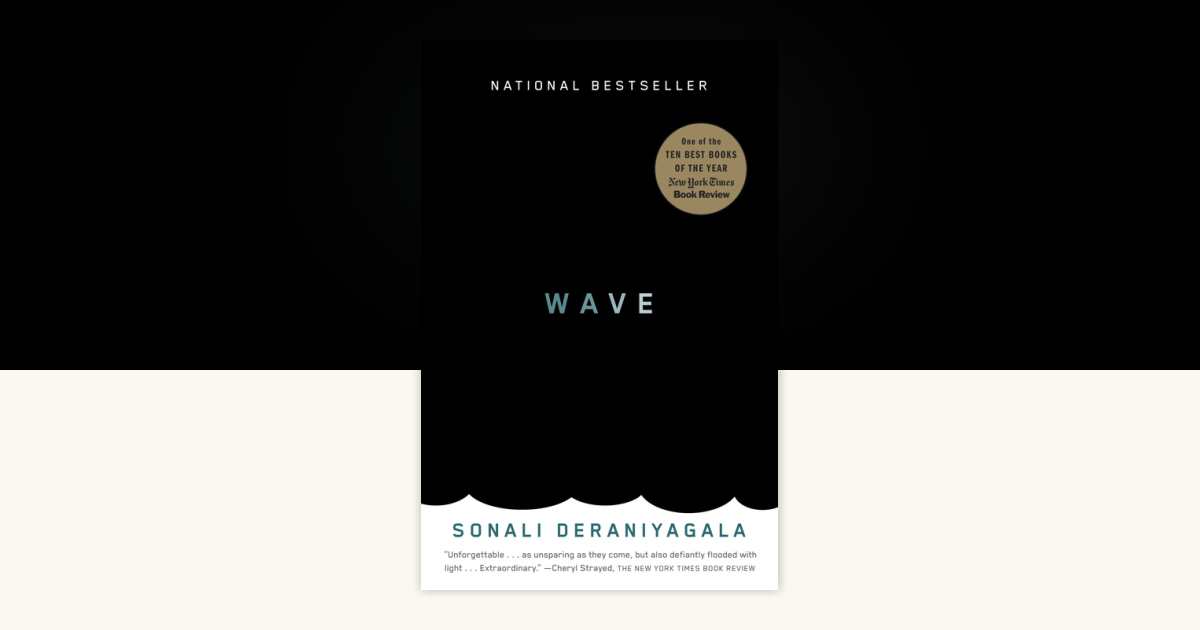
Read when you are ready
Wave
Sonali Deraniyagala lost her husband, her two sons and her parents in the 2004 Indian Ocean tsunami. Wave is her account of the disaster and the years of grief that followed.
It is an extraordinary book, but not a gentle one. Read it for its honesty and precision, rather than as preparation for a beach holiday.
View on Goodreads ↗Where to begin
For something short and atmospheric, start with Running in the Family.
For something funny and unmistakably Sri Lankan, choose Chinaman.
For a novel rooted in Colombo, try Funny Boy or The Seven Moons of Maali Almeida.
If you want a deeper understanding of the civil war and its aftermath, read This Divided Island.
One book is enough. The rest can wait until Sri Lanka has given you a reason to return.
Planning your own visit to Sri Lanka? Tell me what you have in mind and I will help shape the journey.
Start a conversation